
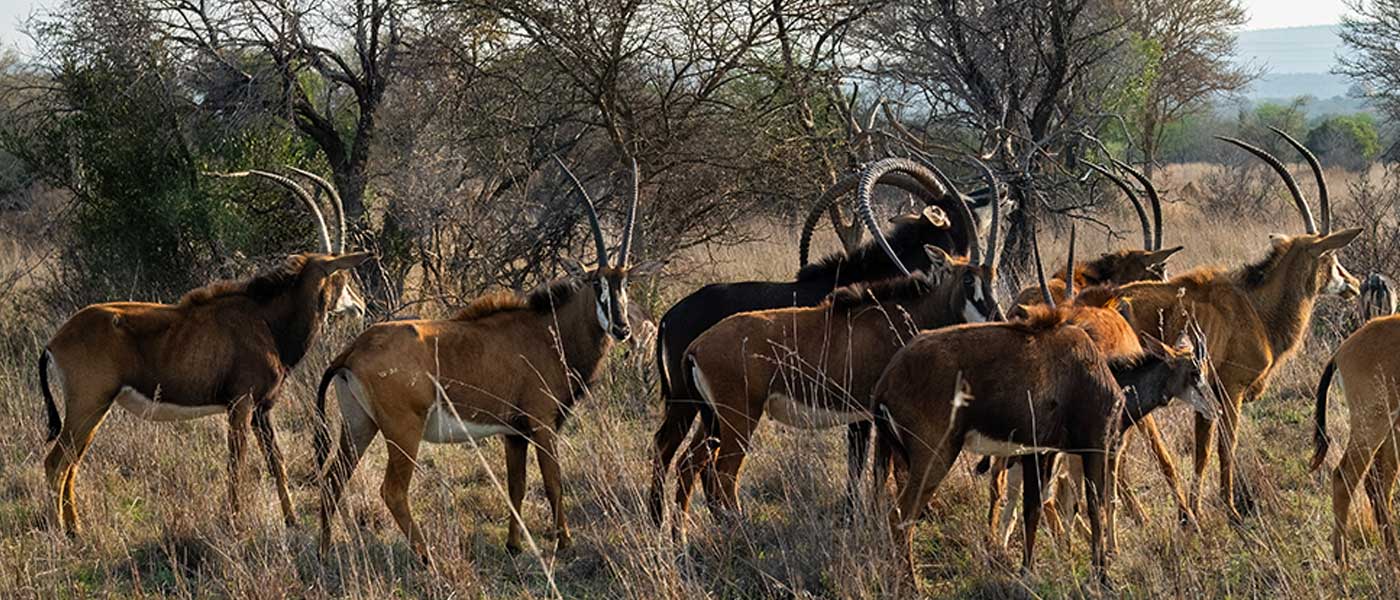
Behind the quiet surface of Babirwa lies another business, one less visible than hospitality yet more fundamental. Beyond the game reserve and the golf courses, the farm is held together by patient, technical work. Animals are monitored, grazing patterns studied, vegetation balanced and people trained. This is the quiet discipline through which land and wildlife are brought back into equilibrium after years of uneven stewardship by previous custodians.
When the property was acquired in the early 2010s, the land carried the layered history of the Waterberg. It had once formed part of the Rooiberg Tin mining landscape, passing through private ownership before becoming a hunting farm. By the time Babirwa entered its present chapter, the land needed recalibration.
Farm manager Hannes Haasbroek began with practical foundations. Feed storage was improved so that rations could be mixed and administered properly. Equipment was introduced to support daily management, while feed mixers made it possible to incorporate medication and minerals into animal diets, reducing the need for repeated darting.
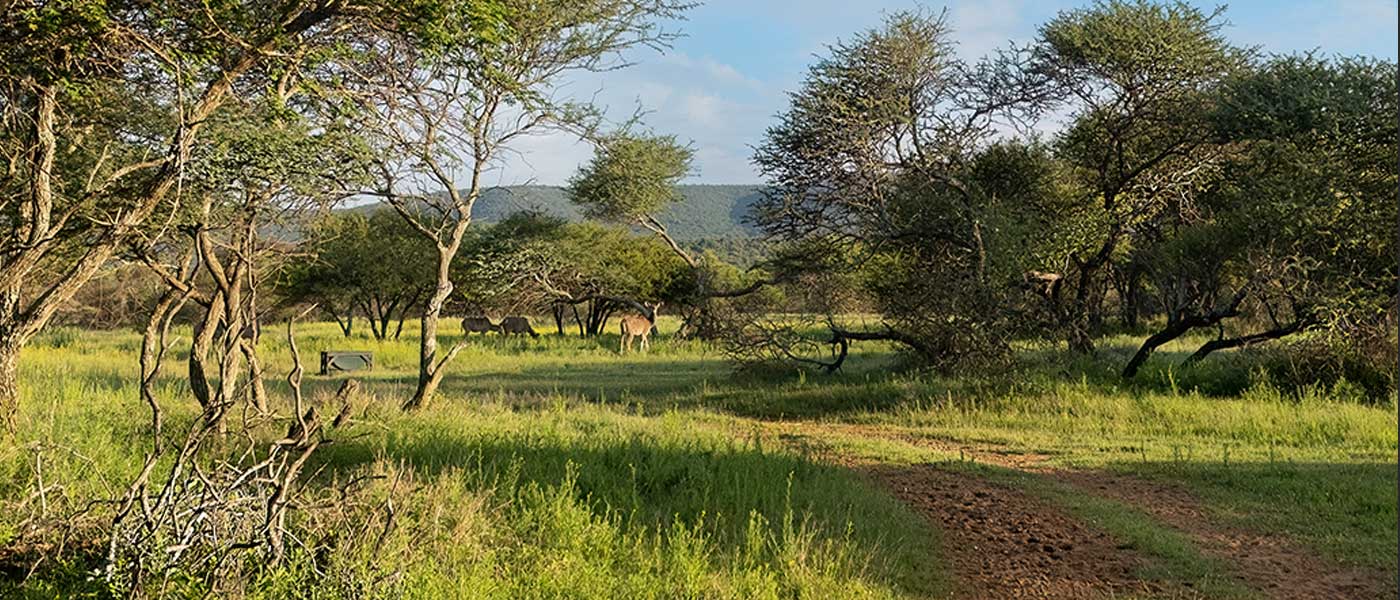
Rehabilitation here is slow work. It begins with reading the land. Vegetation management becomes central when rain brings heavy weed growth into parts of the farm. Rather than defaulting to mechanical clearing or chemical spraying, Babirwa increasingly works with the animals themselves. Buffalo are moved carefully between camps to graze down weeds that would otherwise spread across the veld. Over time, this allows grasses to return and restores a more natural balance.
The same restraint shapes wildlife health. Dung samples are collected and analysed to identify specific parasites, with particular attention given to roan and sable, which are more vulnerable to internal parasites. Monitoring can happen every two weeks when parasite populations rise quickly. Treatment is then targeted, reducing chemical use and helping preserve the long-term effectiveness of medication.
This work depends on people who understand both bush and detail. Staff responsibilities extend across animal care, records of births and movements, wildlife permits and the parasite monitoring programme, where samples are analysed under a microscope. This reflects Babirwa’s ethos: people are encouraged to grow into responsibility, not merely occupy a job.
Beyond the fence, the farm remains tied to Rooiberg and neighbouring communities through employment, firewood assistance and cooperation during fire season. Babirwa’s stewardship is therefore not only ecological. It is practical, human and cumulative, shaped by daily choices made day after day.